

Check our video: How Fall Injuries Become Personal Injury Claims
A fall can happen quickly, but the legal questions that follow may take time to understand. In Ohio, not every fall automatically becomes a personal injury matter. A fall injury claim may depend on why the fall happened, where it happened, who controlled the property, whether a dangerous condition existed, and whether the injury caused measurable harm. Steuer, Escovar & Coleman Co. LPA lists Personal Injury as one of its practice areas, including falls, dangerous premises, and other accidental injury matters.
This blog is for informational purposes only and is not legal advice. It explains when a fall injury may become more than an accident and what factors can affect a claim under Ohio law.
 When Is a Fall More Than an Accident?
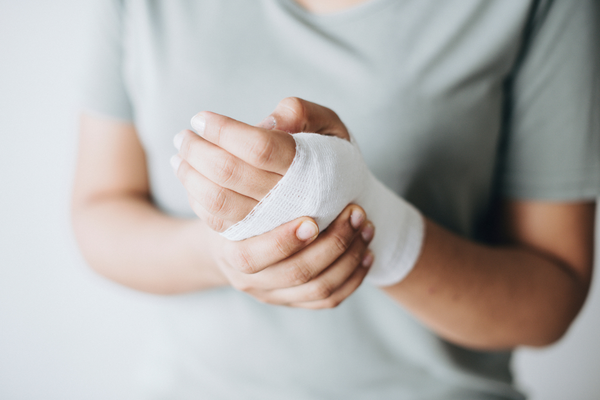
A fall may become legally significant when it was caused by a hazardous condition that a property owner, business, landlord, or other responsible party knew about or should have addressed. In Ohio, fall-related claims are often connected to premises liability, which involves injuries caused by unsafe property conditions.
A fall injury claim may involve conditions such as wet floors, broken stairs, uneven pavement, poor lighting, loose mats, icy walkways, cluttered aisles, missing handrails, or other hazards. However, the existence of a hazard alone does not always mean there is a valid claim. The injured person generally needs to show that the dangerous condition caused the fall and that another party may be legally responsible.
The Role of Negligence in Ohio Fall Claims
Many personal injury claims in Ohio are based on negligence. In a fall case, negligence may involve failing to maintain a property, failing to inspect for hazards, failing to repair a known danger, or failing to warn visitors about a condition that could cause harm.
To support a fall injury claim, the facts usually need to show several things: a duty existed, the duty was breached, the breach caused the injury, and damages resulted. For example, a business open to the public may have a duty to maintain reasonably safe areas for customers. A property owner may also have responsibilities depending on the visitor’s legal status and the circumstances of the property.
Because each fall is different, the legal analysis depends on evidence. A claim may be stronger when there is clear proof of the hazard, how long it existed, who was responsible for the area, and how the injury affected the person.
Why Property Control Matters
One key question in a fall case is who controlled the area where the injury happened. The responsible party may be a property owner, tenant, business operator, maintenance company, landlord, or another party depending on the location and facts.
For example, the person or business responsible for maintaining an entryway may not always be the same as the property owner listed on public records. In commercial spaces, multiple parties may share responsibilities. In apartment buildings, common areas may involve different duties than private rented spaces.
A fall injury claim often requires identifying who had control over the hazard and who had the ability to correct it. Without that connection, it may be difficult to establish legal responsibility.
Notice of the Hazard
In many Ohio fall cases, notice is an important issue. Notice refers to whether the responsible party knew or reasonably should have known about the dangerous condition before the fall occurred.
Actual notice means someone knew about the hazard. Constructive notice means the condition may have existed long enough that the responsible party should have discovered it through reasonable care. Evidence of notice may come from incident reports, inspection logs, photographs, maintenance records, witness statements, or the condition of the hazard itself.
A fall injury claim may be challenged if there is no evidence showing that the responsible party knew or should have known about the condition. That is why preserving evidence early can matter.
The Open and Obvious Issue
Ohio premises liability law may also involve the “open and obvious” doctrine. In general terms, if a hazard is open and obvious, a property owner may argue that a visitor should have noticed and avoided it. However, these issues can depend heavily on the facts.
A condition that appears obvious in hindsight may not have been obvious at the time of the fall. Lighting, distractions, weather, crowding, layout, warning signs, and the person’s reason for being in the area may all matter. Courts may also consider whether surrounding circumstances affected the person’s ability to recognize or avoid the danger.
Because this area can be fact-specific, a fall injury claim should not be dismissed based only on a quick assumption about visibility. Evidence and legal analysis are important.
Medical Evidence and Injury Severity
A fall may cause injuries ranging from temporary soreness to fractures, head injuries, back injuries, joint damage, soft tissue injuries, or long-term limitations. Medical records help show what injuries occurred, when symptoms were reported, what treatment was needed, and whether the injury affected work or daily life.
For more context on what may make an injury legally significant, the firm’s blog on what counts as a serious injury after a crash explains how medical evidence, treatment, and limitations may affect a personal injury matter.
A fall injury claim generally depends on more than the fact that someone fell. The injury must be connected to the fall and supported by documentation. Prompt medical attention can help protect both health and the accuracy of the record.
Evidence That May Help a Claim
Evidence can be especially important because fall scenes can change quickly. A spill may be cleaned, snow may melt, lighting may be repaired, or damaged flooring may be replaced. When possible, useful evidence may include photographs of the hazard, photos of injuries, witness names, incident reports, medical records, shoes or clothing worn at the time, and communications with the property owner or insurer.
A written record of what happened can also help preserve details. This may include the date, time, location, weather conditions, lighting, visible warnings, and who was notified after the fall.
A fall injury claim may become harder to evaluate when there is little documentation. Preserving information early may help clarify what caused the fall and whether the property condition was unreasonable.
 Ohio Deadlines and Comparative Fault
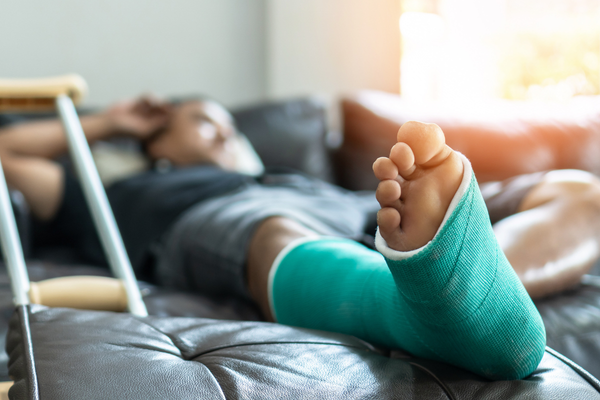
Ohio generally has a two-year statute of limitations for many bodily injury claims. This means an injured person may have limited time to file a lawsuit after a fall. Some situations may involve additional rules or shorter practical deadlines, especially if a government entity, insurance policy, or specialized legal issue is involved. The firm’s blog on the Ohio personal injury statute of limitations provides more information on timing.
Ohio also follows comparative fault rules. If the injured person is found partly responsible, damages may be reduced by that percentage of fault. If the injured person is more than 50 percent responsible, recovery may be barred. In a fall case, this may involve questions about attention, footwear, warnings, lighting, and whether the hazard could reasonably be avoided.
A fall injury claim should be reviewed with both liability and damages in mind. Injury severity matters, but so does the evidence showing how and why the fall occurred.
When a Fall Injury May Need Legal Review
A fall may need closer review when the injury required medical treatment, caused missed work, involved a dangerous property condition, happened in a business or rental property, or resulted in long-term pain or limitations. Legal review may also be important when an insurance company disputes the claim or when the property owner denies responsibility.
Each situation depends on the facts. A fall injury claim may involve property records, maintenance procedures, witness accounts, medical documentation, and Ohio premises liability law. Reviewing these issues early may help determine whether the fall was simply an unfortunate accident or whether another party’s conduct may have contributed to the injury.
Contact Steuer, Escovar & Coleman Co. LPA
To learn more about personal injury matters, explore Steuer, Escovar & Coleman Co. LPA or review their legal blog. If you have questions about a fall injury in Ohio, reach out through the firm’s contact page or call Steuer, Escovar & Coleman Co. LPA at (216) 771-8121.
Simply contacting us does not create an immediate attorney-client relationship. Please refrain from sending any confidential information to us until an attorney-client relationship has been established.
Frequently Asked Questions
1. When can a fall become a personal injury claim in Ohio?
A fall may become a personal injury claim in Ohio when it was caused by a dangerous property condition and another party may be legally responsible. The injured person generally needs evidence showing the hazard, the cause of the fall, the injury, and the damages that resulted.
2. What is a fall injury claim?
A fall injury claim is a personal injury claim involving harm caused by a fall, often on someone else’s property. These claims may involve unsafe walkways, wet floors, poor lighting, broken stairs, icy surfaces, or other hazards that should have been corrected or reasonably addressed.
3. Does every fall on someone else’s property qualify for a claim?
No. Not every fall on someone else’s property qualifies for a claim. A valid claim generally depends on whether a dangerous condition existed, whether the responsible party knew or should have known about it, and whether that condition caused the injury.
4. What evidence may help after a fall injury?
Helpful evidence may include photographs of the hazard, photos of injuries, witness names, incident reports, medical records, surveillance footage, maintenance records, and notes about when and where the fall happened. Evidence can be especially important because property conditions may change quickly.
5. Why does notice matter in an Ohio fall claim?
Notice matters because the injured person may need to show that the responsible party knew or reasonably should have known about the dangerous condition. Without evidence of notice, it may be harder to prove that the property owner or business failed to act reasonably.
6. What does open and obvious mean in a fall case?
Open and obvious generally refers to a hazard that a reasonable person may be expected to see and avoid. In Ohio fall cases, property owners may raise this issue as a defense. However, lighting, distractions, layout, weather, and surrounding conditions may affect the analysis.
7. Can I still have a claim if I was partly at fault?
Yes, you may still have a claim if you were partly at fault, but Ohio comparative fault rules may reduce recovery based on your percentage of responsibility. If a person is found more than 50 percent responsible, recovery may be barred.
8. How long do I have to file a fall injury claim in Ohio?
Many Ohio personal injury claims involving bodily injury must be filed within two years from the date the cause of action accrues. In many fall cases, that means two years from the date of the fall, but specific circumstances may affect the deadline.
9. Should I get medical care after a fall even if symptoms seem minor?
Yes, medical care may be important if symptoms continue, worsen, or involve pain, dizziness, swelling, limited movement, or possible head injury. Medical records can help document the injury, connect symptoms to the fall, and show what treatment was recommended.
10. What factors can affect the value of a fall injury claim?
Factors that may affect a fall injury claim include injury severity, medical treatment, missed work, long-term limitations, available evidence, fault disputes, insurance coverage, and whether the dangerous condition can be connected to the responsible party’s conduct.